Deploying Metering in Kubernetes
Kubernetes (K8) service lets you to quickly deploy and manage clusters. This section guides you to deploy Metering Microservice in K8 on-premise environment.
Prerequisites
Before deploying Metering in K8, make sure you have the following software installed in your system.
- Helm should be installed and configured.
- Kubernetes command-line tool kubectl must be installed and configured.
- Verify the below configurations.
Configurations
Purpose
Sample Values
DATABASE_KEY
Select either MongoDB or PostgreSQL database
mysql/mssql
MSSQL_CONNECTIONURL
Mention MSSQL connection URL
jdbc:sqlserver://metering-db-service:1433;databaseName=metering
MYSQL_CONNECTIONURL
Mention MySQL connection URL
jdbc:mysql://metering-db-service-np:3306/metering kafkabootstrapservers
Mention the URL used to connect kafka
my-cluster-kafka-bootstrap.kafka:9092
On-premise Package Details
Metering Microservice helm package is available as single bundle. This section gives an overview of the helm package.
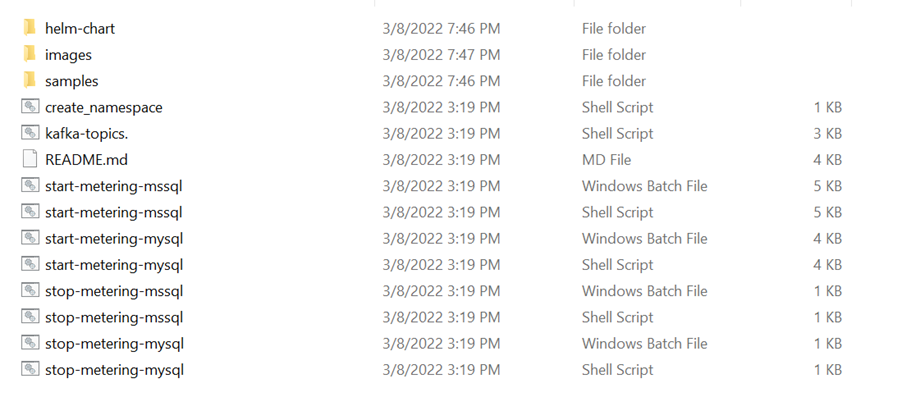
- Unzip Metering-helm-sql-pack-xxx. The below screen capture shows the unzipped file.
- In metering-helm-sql-pack-XXX\metering\images the images are available as shown in the below screen capture.

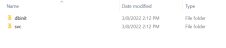
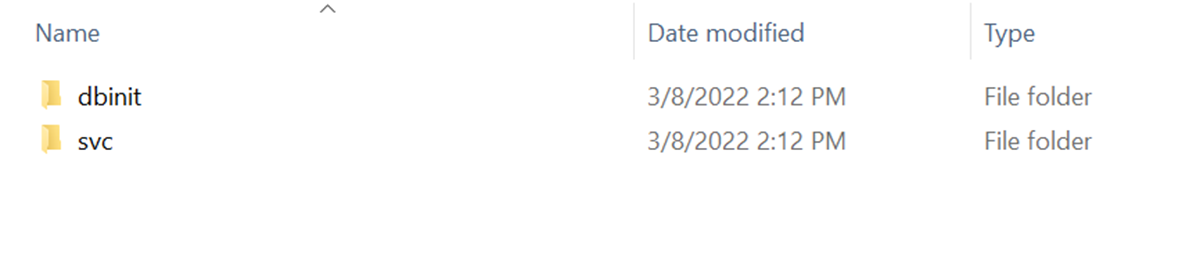
The helm-chart folder contains the dbinit and svc configuration files that are required for Kubernetes on premise.



Deploying Metering Microservice in Kubernetes On-premise
To deploy Metering Microservice (MS) in Kubernetes on-premise, follow the steps below:
- Download and unzip metering-helm-mysql-pack-xxx.zip.
Images other than the database service are available in metering-helm-mysql-pack-xxx\metering\images.
-
Load all the images available from the folder to Docker container using the docker load --input <imagename> command.
EXAMPLE: docker load --input ms-metering-inboxoutbox-DEV.tar -
Go to metering-helm-mysql-pack-XXX .
-
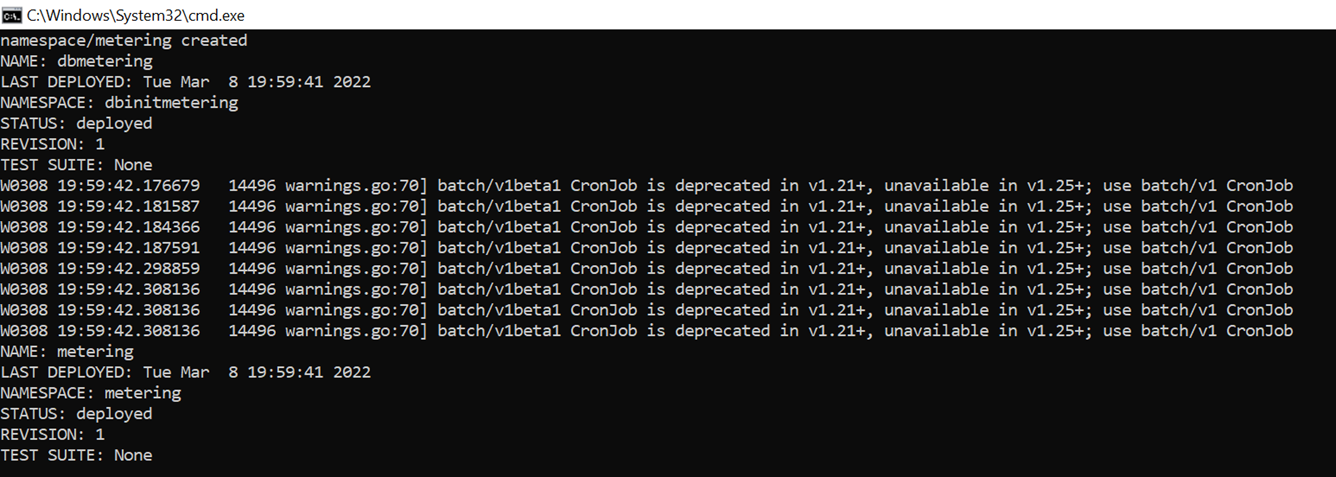
Run start-metering-mysql.bat/.sh to deploy dbinitmetering for database and metering for other than database services in Kubernetes.
After successful deployment, Metering MS in Kubernetes appears as shown below.
-
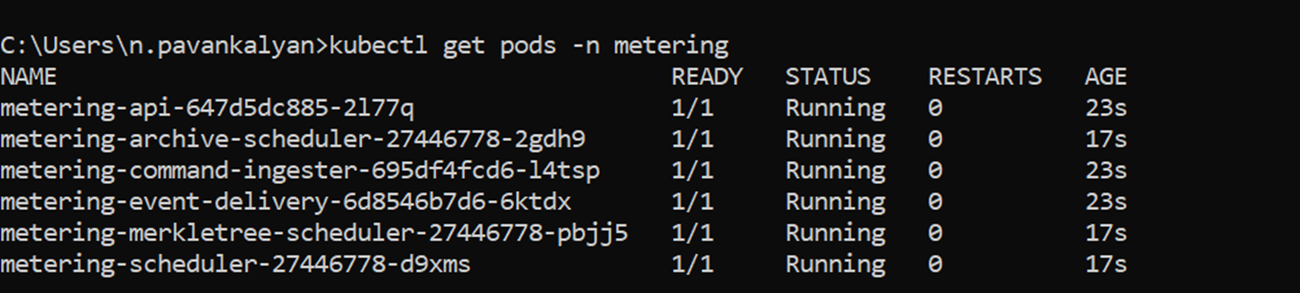
Check if all the Api, Ingester and dbinit pods are in the running status.
The IP address used to test API from the local is generated as External-IP in the metering-api-svc pod. The IP address should be localhost and the port is 7018.


In this topic
